Life moves fast. Between work, notifications, and constant scrolling, it’s easy to feel mentally drained without even realizing it. Many people try to relax by watching more content, but that often adds to the noise instead of reducing it.
What people are really craving is something different. Something slower. Something engaging. Something that helps the mind reset instead of overload.
That is where hands-on DIY kits come in.
In this guide, you’ll learn how DIY kits can reduce stress, improve focus, and become a simple daily habit that actually feels rewarding.
WHAT IS THE TOPIC?
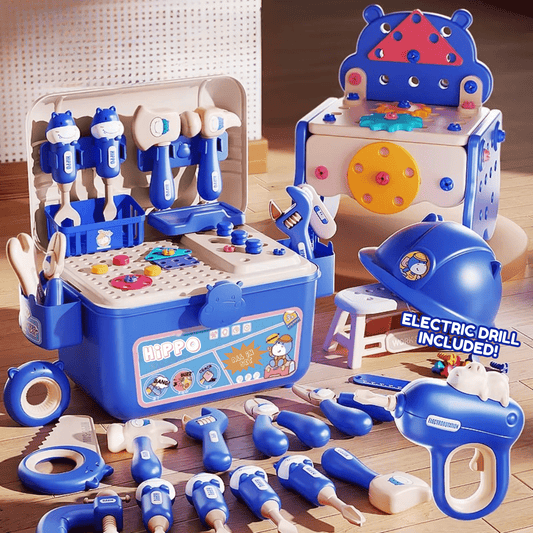
DIY kits for stress relief are structured, hands-on activities that require focus, patience, and physical interaction. Instead of passively consuming content, you are actively building, assembling, and creating something real.
These kits can range from mechanical puzzles and miniature builds to creative crafts and models. The key difference is engagement. You are not just watching something happen. You are making it happen.
This process shifts your brain from scattered thinking into focused attention.
WHY IT MATTERS
Most stress today comes from mental overload, not physical effort.
Constant switching between apps, messages, and tasks trains the brain to stay in a state of distraction. Over time, this reduces attention span and increases anxiety.
Hands-on activities interrupt that pattern.
When you focus on building something piece by piece, your brain slows down. It enters a state similar to meditation, often called “flow.”
Here’s why DIY kits are effective:
They reduce mental clutter by focusing attention on one task
They promote calm through repetitive, structured actions
They improve problem-solving skills in a low-pressure environment
They give a sense of accomplishment through visible progress
They replace passive scrolling with active creation
Most importantly, they make relaxation feel productive instead of wasted.
STEP BY STEP GUIDE
1. Choose a Kit That Matches Your Energy Level
Not all DIY kits feel the same.
If you are mentally exhausted, start with something simple and calming. If you want a challenge, go for a more detailed mechanical build.
The goal is not difficulty. It is engagement.
Pick something that feels interesting enough to hold your attention without overwhelming you.
2. Create a Dedicated “Unplug Time”
Set aside a small window each day where you step away from screens.
20 to 30 minutes is enough.
No notifications. No multitasking. Just you and the build.
This creates a mental boundary that signals your brain it’s time to slow down.
3. Focus on the Process, Not the Outcome
Many people rush to finish things. That defeats the purpose.
DIY kits work best when you enjoy each step.
Pay attention to how pieces fit together
Notice small progress moments
Take your time without pressure
The process is what creates the calming effect.
4. Use Repetition to Build Focus
Repetitive actions like assembling, aligning, and adjusting pieces help stabilize attention.
This kind of repetition is not boring. It is grounding.
Over time, your ability to focus on a single task improves naturally.
5. Make It a Habit, Not a One-Time Activity
Consistency matters more than duration.
Doing a short session daily is more effective than doing a long session once a week.
You are training your brain to slow down and focus regularly.
6. Display What You Build
One of the most underrated benefits of DIY kits is the result.
You end up with something tangible.
Place your finished builds where you can see them. It reinforces a sense of accomplishment and reminds you of the time you spent creating instead of consuming.
FREQUENTLY ASKED QUESTIONS
1. How long should I spend on DIY kits each day?
20 to 30 minutes is ideal. Even shorter sessions can be effective if done consistently.
2. Are DIY kits only for kids?
No. Many DIY kits are designed for teens and adults. In fact, adults benefit greatly from the focus and stress relief they provide.
3. Can this replace other forms of relaxation?
It can complement them. DIY kits are especially useful if you want something more engaging than passive activities like watching videos.
4. What if I get frustrated during the build?
That’s part of the process. Small challenges improve problem-solving skills and make the final result more rewarding.
5. Do I need creative skills?
Not at all. DIY kits are designed to guide you step by step. You don’t need to be artistic or experienced.
6. Why does this feel more satisfying than scrolling?
Because you are creating something real. Your brain rewards effort and progress more than passive consumption.
If your days feel noisy, distracted, or mentally exhausting, adding a simple hands-on activity can make a big difference.
You don’t need a complicated system. You just need a small shift from consuming to creating.
Start with one kit. One session. One moment of focus.
Because sometimes the best way to relax is not to disconnect completely, but to reconnect with something you can build with your own hands.