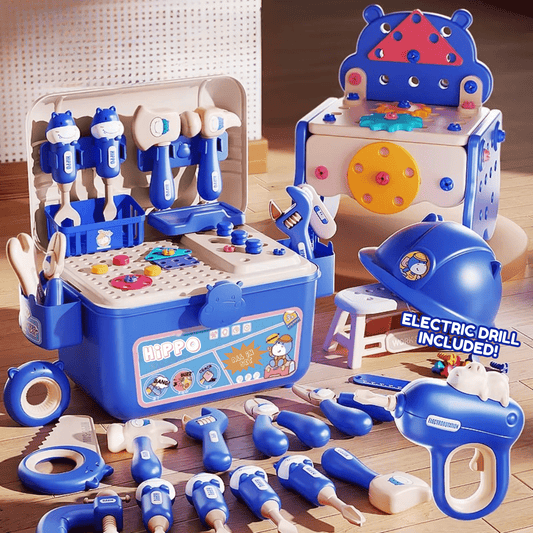
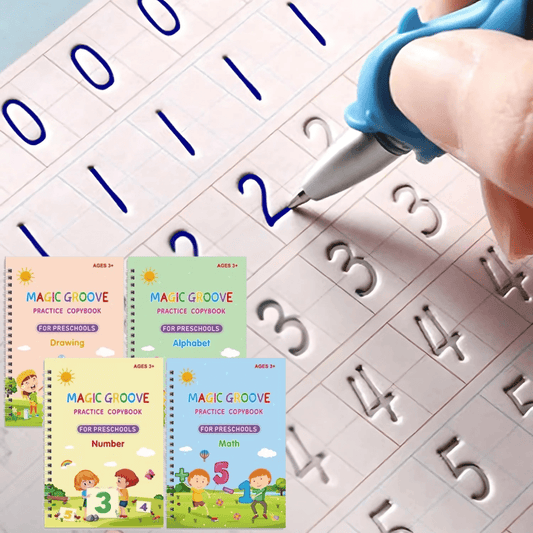
At first glance, a DIY kit looks simple. A box filled with wooden pieces, instructions, and a final image of what you’re supposed to build. It feels straightforward — open it, follow the steps, and finish the project.
But anyone who has actually built one knows the truth. The real value is not just in the finished piece. It’s in everything that happens in between.
Confusion. Trial and error. Small wins. Adjustments. And finally, understanding.
Every DIY kit is more than a product. It’s a learning experience disguised as a creative project. And the best part is, you don’t even realize you’re learning while you’re building.
In this blog, we’ll explore the hidden journey inside every DIY kit and how it quietly transforms beginners into confident creators.
ON THIS PAGE
- Why DIY kits are more than just crafts
- The hidden learning process inside every build
- How confusion turns into understanding
- Why mistakes are part of the learning system
- How DIY builds develop real-world skills
- Frequently asked questions
WHAT IS THE TOPIC?
The hidden learning journey in DIY kits refers to the gradual development of skills and thinking patterns that happen while assembling a project.
You start with pieces that don’t make sense on their own. Then you begin connecting them step by step. Slowly, patterns emerge. Instructions start to make sense. The structure becomes clearer.
By the end, you haven’t just built an object. You’ve learned how to think differently — more patiently, more logically, and more creatively.
DIY kits from https://diyative.com/ are designed exactly for this process, blending fun with subtle skill-building in every stage.
WHY IT MATTERS
Most learning today is passive. We watch tutorials, read instructions, or follow guides without physically engaging with the process. While this can be helpful, it often doesn’t stick.
DIY kits change that by making learning active.
When you physically assemble something, your brain processes information differently. You remember through action, not just observation. This strengthens understanding and improves retention.
It also builds confidence. Each completed step reinforces the idea that you are capable of solving problems, even when things don’t make sense at first.
Over time, this creates a powerful mindset shift from “I don’t know how” to “I can figure it out.”
STEP BY STEP GUIDE
1. Start with confusion — it’s normal
Every DIY journey begins with uncertainty. Pieces look similar. Instructions feel overwhelming. You might not know where to start.
This is completely normal.
Confusion is actually the first stage of learning. It signals that your brain is preparing to understand something new.
2. Break the build into small wins
Instead of focusing on the entire project, focus on one step at a time.
Attach one piece. Understand one mechanism. Complete one section.
Each small success builds momentum and reduces overwhelm.
This is how complex builds become manageable.
3. Watch patterns emerge
As you continue building, you start noticing repetition and structure.
Pieces begin to make sense. Instructions feel clearer. You start predicting what comes next.
This is the moment where learning shifts from confusion to understanding.
4. Learn through mistakes, not avoidance
Mistakes will happen. Pieces will be placed incorrectly. Steps will need to be redone.
Instead of seeing this as failure, treat it as feedback.
Each mistake teaches you something important about structure, alignment, or process.
This is where real learning happens.
5. Experience the final transformation
When the project is complete, something changes.
You don’t just see a finished product. You see the entire journey that got you there.
You understand how each part connects, how each step mattered, and how persistence led to completion.
That’s the real masterpiece — not just the object, but the process behind it.
FAQ SECTION
1. Why do DIY kits feel hard at the beginning?
Because your brain is processing new visual and spatial information. Difficulty is part of the learning process.
2. Do I need experience to enjoy DIY kits?
No. They are designed for beginners and naturally guide you through learning.
3. What skills do DIY kits actually teach?
Problem-solving, patience, spatial reasoning, focus, and logical thinking.
4. Why do I feel so focused while building?
Because DIY engages active attention, which naturally reduces distraction and improves concentration.
5. Is the learning intentional or accidental?
Both. The kits are designed for creativity, but learning happens naturally through the building process.
CONCLUSION
Every DIY kit tells a story — not just in its design, but in the process of building it.
What starts as confusion slowly turns into clarity. What feels difficult becomes manageable. And what seems like a simple project becomes a powerful learning experience.
By the time you finish, you’ve done more than assemble a kit. You’ve trained your mind to think differently.
That is the hidden journey inside every DIY box.
And that’s what makes it a masterpiece.