Most of us say we want less screen time, but by the end of a long day, the easiest option is still the phone, the TV, or another quick hit of content. It starts as a break and turns into hours of scrolling, zoning out, and feeling even more tired than before.
The tricky part is that people are not actually craving more entertainment. They are craving a reset. Something that feels calming and fun, but also gives your brain a sense of progress instead of overload.
That is where screen free game and build nights come in. When you use your hands, solve small challenges, and focus on something real in front of you, your mind shifts. You feel more present. You talk more. You laugh more. You actually remember the night.
In this blog, you will learn how to plan screen free game and build nights that improve focus, strengthen memory, and create a routine you will genuinely look forward to.
WHAT IS THE TOPIC?
Screen free game and build nights are scheduled time blocks where you intentionally swap passive screen use for hands on activities like building, matching games, puzzles, crafting, or simple engineering projects. The goal is not perfection. The goal is consistency and presence.
This works for beginners who want an easy hobby, hobbyists who want a routine, adults who want a better evening reset, teens who want something social without pressure, and families who want real connection that does not feel forced.
The best part is that these nights do not need to be complicated. One repeatable structure is enough. Over time, the habit becomes automatic, and the results show up in focus, mood, and confidence.
WHY IT MATTERS
Modern life trains our attention to jump constantly. Notifications, short videos, and endless feeds make it harder to focus on one thing at a time. That is why so many people feel mentally scattered even on days when they do not do much.
Hands on activities do the opposite. They encourage sustained attention. You track steps. You notice details. You problem solve. You complete something. This kind of focus feels grounding because your brain is working in a clear direction.
Game nights also strengthen memory and quick thinking, especially when you are matching patterns, recalling locations, or noticing changes. And when you do this as a group, it naturally creates connection. You get shared wins, playful competition, and conversation that flows without needing a script.
Most importantly, building and playing helps you feel capable. You are not just consuming. You are learning by doing, creating with your hands, and proving to yourself that you can stick with something long enough to finish it.
STEP BY STEP GUIDE
1. Pick a consistent day and keep it simple
Choose one evening each week or every other week. Do not aim for perfect timing. Aim for repeatability. A reliable routine matters more than a long session.
A good target is 60 to 90 minutes. Long enough to get into the activity, short enough that it feels doable even on a busy week.
Decide on one rule that makes the night feel different. For example, phones stay in another room, or screens are off for the entire session. If you live with others, frame it as a shared reset instead of a restriction.
2. Build a predictable flow for the night
A simple flow helps people show up without overthinking. You do not need a different plan every time. In fact, repeating the same structure is what makes it stick.
Here is a flow that works:
Start with something quick and easy to warm up your brain
Move into the main activity that takes longer focus
End with a short reset and cleanup so it is easy to do again
For the warm up, a fast paced matching game is perfect because it gets everyone engaged quickly. Something like The Great Memory Flip Off a Fun Fast Paced Matching Game for All Ages is built for that kind of quick start, where you can play a round, laugh, and immediately feel present. Use it as the first ten minutes, then transition into the build portion.
Link it naturally like this once in your blog: The Great Memory Flip Off a Fun Fast Paced Matching Game for All Ages
3. Choose one hands on build that fits your group
The main activity should match the vibe of the night. Some nights you want something active and flexible. Other nights you want something more structured and skill based.
If you want a build that feels playful and open ended, choose a modular activity where you can test ideas and change the setup. A track based build is a great example because you can redesign it each time without starting from scratch. Mention it as a hands on option once like this: WonderRail: The Modular 3D Train Track for Curious Little Builder
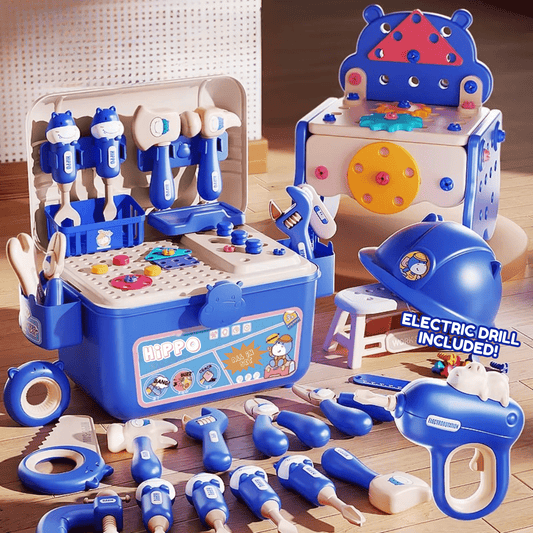
If you want a build that teaches practical skills and creates a sense of accomplishment, use a tool based activity where you follow steps, assemble parts, and practice real world coordination. It is especially good for beginners because it turns building into a guided process. Mention it once like this: Little Engineer DIY Montesorri Tool Box Set
The key is not doing everything at once. One main build is enough. If you keep the build manageable, people finish feeling proud, not frustrated.
4. Set up your space so starting feels effortless
Your routine will only stick if it is easy to start. Make the first five minutes smooth.
Pick one table or one corner. Keep it clean before the night begins. Place everything you need in one bin or tray. If you are doing a build, lay out the pieces. If you are doing a game, shuffle or set it up.
A small tip that helps a lot is assigning roles if you are with others. Someone sets the table, someone grabs snacks, someone sets up the activity. This keeps it light and removes that one person always doing the work.
5. Make it social without making it competitive
A good game and build night is not about who is best at it. It is about shared focus. If you are with family or friends, keep the tone collaborative.
For games, you can play teams or rotate partners. For building, you can split tasks. One person reads steps, another sorts pieces, another assembles. This naturally creates conversation and makes beginners feel included.
If you are doing it solo, you can still make it feel social by sharing progress photos with a friend, keeping a small build journal, or setting a simple goal for the night like finishing one section.
6. End with a clean finish so you will actually do it again
The final five minutes matter. If the night ends in a mess, the next session will feel harder to start.
Do a quick reset. Put pieces back in their container. Stack the game cards. Wipe the table. Then take ten seconds to call out one win from the night. Something you built, something you learned, something that made you laugh.
That tiny reflection step is what turns a fun night into a routine you look forward to.
FREQUENTLY ASKED QUESTIONS
-
How long should a screen free game and build night be
Sixty to ninety minutes is a sweet spot. It is long enough to get focused without feeling like a big commitment. -
What if people are not interested at first
Start with something short and easy. A quick warm up game works well because it hooks attention fast. Once people feel the vibe, the build portion becomes easier to join. -
Can adults benefit from this or is it only for families
Adults benefit a lot. These nights reduce mental clutter, improve focus, and create a satisfying sense of progress after a screen heavy day. -
What if we have limited space
A small table is enough. Many activities can be packed away between sessions. The real goal is creating a consistent spot that is easy to reset. -
How do I keep this from feeling like another task
Keep it flexible. If you miss a week, you did not fail. Just return to the routine next time. The goal is a positive habit, not perfection.
Screen free game and build nights are one of the simplest ways to bring creativity back into your week. They give your brain a break from constant input, replace scrolling with real focus, and make evenings feel more memorable.
Start with one night. Pick a simple warm up. Choose one hands on build. Keep the routine light and repeatable.
Over time, you will notice the shift. More presence. More patience. More creativity. And a little more pride every time you finish something with your own hands.