Screens are everywhere. From work laptops to streaming platforms to endless scrolling, most of us spend more time consuming than creating. By the end of the day, it’s not uncommon to feel drained, distracted, and creatively stuck.
At the same time, many adults and families crave something more tangible. Something that slows things down. Something that feels productive without being stressful.
Hands on activities offer that reset. Building, assembling, designing, and crafting engage both the mind and body in ways that passive entertainment simply cannot. Whether you're a hobbyist, a beginner maker, or someone just looking to unplug for a while, DIY projects provide a structured yet relaxing way to recharge.
In this guide, you’ll learn how to build a screen free DIY routine that supports creativity, improves focus, and turns ordinary evenings or weekends into meaningful, hands on experiences.
WHAT IS THE TOPIC?
A screen free DIY routine is a structured habit of dedicating intentional time to building, crafting, or assembling physical projects without digital distractions. It’s not about eliminating technology entirely. It’s about carving out protected time to create with your hands.
This kind of routine works for adults who want a creative outlet after work, teens exploring hobbies, families seeking shared activities, and hobbyists looking for deeper focus. The goal is simple. Replace passive consumption with active creation.
Rather than binge watching another series or endlessly scrolling, you spend that time building something tangible. The result isn’t just a finished project. It’s improved concentration, patience, and a renewed sense of accomplishment.
WHY IT MATTERS
In a world driven by notifications and short attention spans, deep focus has become rare. DIY activities naturally encourage what psychologists call a flow state. That immersive mental zone where time seems to disappear and stress levels drop.
Hands on building also strengthens problem solving skills. You measure, adjust, assemble, and refine. This process sharpens cognitive flexibility and patience, especially valuable for adults balancing demanding schedules.
For families, creative home activities foster connection. Working on a project together encourages conversation and collaboration without forced interaction.
For individuals, it’s mindfulness in action. Instead of meditating passively, you engage your senses through touch, sight, and structured movement.
Most importantly, building something yourself restores a sense of agency. You are not just consuming content. You are creating something real.
STEP BY STEP GUIDE
1. Define Your Unplug Window
Start small. Choose one or two evenings per week or a dedicated weekend block where screens are set aside. Even 45 to 90 minutes is enough.
This is not about strict rules. It is about consistency. Treat this time as an appointment with yourself or your household.
When your unplug window becomes predictable, your brain begins associating it with creativity and calm.
2. Choose a Project That Matches Your Energy Level
Not every day calls for a complex build. Some days you want something soothing. Other days you want a challenge.
For example, building a miniature world like the Bloomfield Cottage DIY Book Nook Kit at https://diyative.com/products/bloomfield-cottage-diy-book-nook-kit offers intricate assembly that encourages detailed focus. It is ideal for quiet evenings when you want to immerse yourself in design and craftsmanship.
If you're looking for more dynamic, modular building that encourages experimentation and structural thinking, something like WonderRail The Modular 3D Train Track for Curious Little Builders at https://diyative.com/products/magic-track-train-electric-toy provides flexible layouts that can be redesigned again and again.
The key is matching the project to your mood.
3. Create a Dedicated Build Space
You do not need a full workshop. A cleared dining table, desk corner, or portable build tray works.
Keep tools and materials organized. Having a ready to use space reduces friction and makes it easier to stick with your routine.
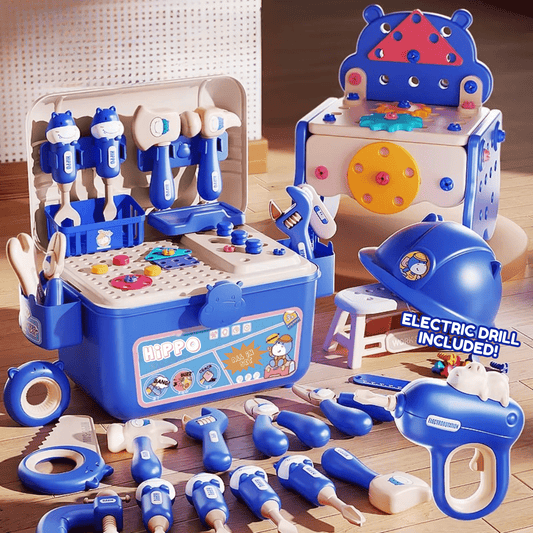
For hands on learners or families who enjoy practical building tasks, a structured toolkit such as the Hippo All in one Tool Hub DIY Montessori Tool Box Set at https://diyative.com/products/hippo-all-in-one-tool-hub-diy-montessori-tool-box-set can create a clear, contained workspace that encourages real world building practice.
When your space feels intentional, your mindset shifts from distracted to focused.
4. Follow the Process, Not Just the Outcome
It is tempting to rush toward the finished product. Instead, slow down.
Notice how pieces fit together. Appreciate small progress milestones. Take short breaks to review what you have built so far.
This approach turns DIY time into mindful practice rather than task completion.
The value lies in the process. Not just the display shelf result.
5. Reflect and Reset
At the end of each session, spend two minutes reflecting.
What felt satisfying?
What challenged you?
What will you continue next time?
This simple habit reinforces the positive experience and strengthens your commitment to future sessions.
Over time, your screen free DIY routine becomes something you look forward to rather than something you force.
FREQUENTLY ASKED QUESTIONS
1. Is DIY building only for kids?
Not at all. Many DIY projects are designed for adults, hobbyists, and families. The complexity and focus required often make them especially rewarding for adults.
2. How much time should I dedicate to a DIY routine?
Start with 45 to 90 minutes once or twice a week. Consistency matters more than duration.
3. What if I am a beginner?
Beginner friendly kits and modular builds make it easy to start without prior experience. The learning happens through the process.
4. Can DIY activities really reduce stress?
Yes. Hands on building promotes focus and flow, which naturally lowers stress levels and improves mood.
5. What if I do not have much space?
Many projects are compact and can be stored between sessions. A small, organized area is enough.
Creating a screen free DIY routine is not about rejecting technology. It is about restoring balance.
When you dedicate time to building, assembling, and creating with your hands, you regain focus, strengthen patience, and experience the quiet satisfaction of progress. Whether you are a solo hobbyist, an adult seeking mindful evenings, or a family wanting more meaningful home activities, DIY projects offer a practical way to reconnect with creativity.
Start small. Pick a project. Clear a table. Set aside the screens.
Then build something real.