INTRODUCTION
Every day, we make hundreds of decisions.
What should we do next?
Which option is better?
How do we solve this problem?
Many of these choices happen quickly, but the ability to make thoughtful decisions is a skill that develops through practice.
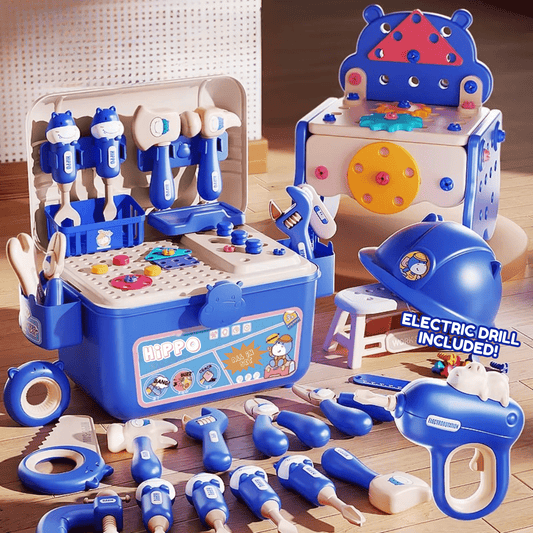
DIY projects create a unique environment for practicing this skill.
When you build something, there is rarely only one way to move forward. You need to observe, make choices, adjust your approach, and learn from the results.
Unlike following a finished solution, DIY allows you to experience the process of figuring things out.
In this blog, we’ll explore how hands-on projects quietly train better decision makers and why building something yourself teaches skills that go far beyond creativity.
ON THIS PAGE
- Why decision making improves through experience
- How DIY creates real problem-solving moments
- The importance of making choices without fear
- How mistakes improve future decisions
- Applying DIY thinking to everyday life
WHAT IS THE TOPIC?
Decision making is the ability to evaluate situations, consider options, and choose the best path forward.
While many people think this skill comes from experience alone, it also develops through repeated practice.
DIY projects naturally create decision-making opportunities.
You decide how to organize your workspace, how to approach difficult steps, and how to solve problems when things do not go as planned.
Each choice becomes a small learning experience.
DIYative projects encourage this process by allowing makers to actively participate instead of simply receiving a finished result.
WHY IT MATTERS
Many modern experiences remove the need to make decisions.
Products arrive ready to use. Answers appear instantly. Solutions are often provided before we have the chance to explore.
DIY brings back the process of thinking independently.
Building helps strengthen:
- Confidence in choices: Making decisions and seeing results builds trust in your own judgment.
- Adaptability: Unexpected challenges teach you how to adjust quickly.
- Creative thinking: Problems encourage you to consider different possibilities.
- Patience: Thoughtful decisions often lead to better outcomes than rushed ones.
The goal is not always choosing perfectly.
The goal is becoming comfortable with the process of choosing.
STEP BY STEP GUIDE
1. Start by making small decisions
Every project begins with simple choices.
Organizing pieces, choosing where to start, or deciding how to approach a step builds confidence.
2. Observe before reacting
When something does not work, take a moment to understand the situation.
Good decisions often begin with careful observation.
3. Explore different solutions
A challenge does not always have one answer.
Try different approaches and discover which solution works best.
4. Learn from the outcome
Every choice provides feedback.
If something works, you understand what helped. If it does not, you discover what can be improved.
5. Carry the mindset beyond DIY
The decision-making skills developed through building apply everywhere.
Planning projects, solving problems, and handling challenges become easier when you are comfortable thinking through possibilities.
CONCLUSION
DIY projects create more than finished creations.
They create opportunities to practice thinking, choosing, and adapting.
Every decision you make while building strengthens your ability to approach challenges with confidence.
The next time you create something with your hands, remember that you are not only building an object.
You are building the skills to make better choices in everyday life.