Stress is an unavoidable part of modern life. From work deadlines to endless notifications, our minds are constantly overstimulated. Many people turn to meditation, exercise, or entertainment to unwind. However, there’s another powerful way to relax: hands-on DIY projects.
Whether it’s assembling a mechanical kit, creating custom home decor, or building something entirely from scratch, engaging in tactile, creative work provides both mental and emotional benefits. DIY activities require focus, patience, and problem-solving, which naturally shift attention away from stressors.
In this blog, we’ll dive into the science behind stress relief through DIY, why hands-on activities are so effective, and how you can incorporate these projects into your daily routine to promote calm, focus, and mindfulness.
WHAT IS THE TOPIC?
DIY projects are creative, hands-on activities that require you to interact physically with materials to build or create something. Unlike passive hobbies, DIY engages multiple parts of the brain — from visual and spatial reasoning to fine motor skills.
The act of building something yourself encourages concentration, patience, and problem-solving, which diverts attention from stress and fosters a state of mindfulness. This makes DIY a highly effective tool for reducing mental tension while producing tangible, rewarding results.
WHY IT MATTERS
Stress has well-documented effects on mental and physical health, including increased cortisol levels, disrupted sleep, and decreased focus. Engaging in hands-on activities can counteract these effects by:
- Promoting mindfulness: Concentrating on a task immerses you in the present moment.
- Reducing mental clutter: The step-by-step nature of DIY slows racing thoughts.
- Providing a sense of accomplishment: Completing a project releases dopamine, enhancing mood.
- Boosting cognitive function: Problem-solving and spatial reasoning in DIY improve focus and mental agility.
By incorporating DIY projects into daily life, you create a productive and enjoyable outlet for stress relief.
STEP BY STEP GUIDE
1. Pick a project that fits your skill level
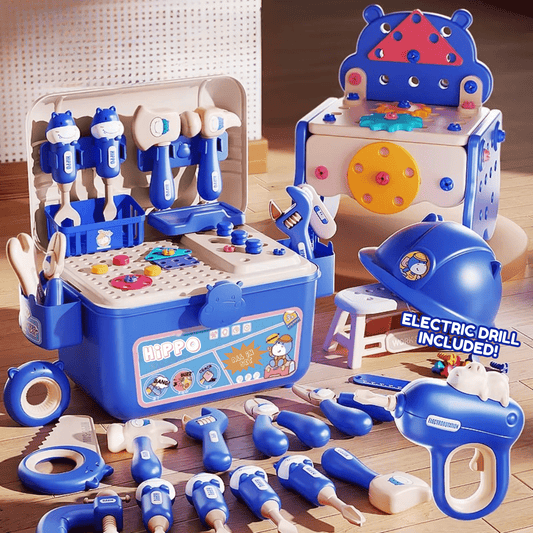
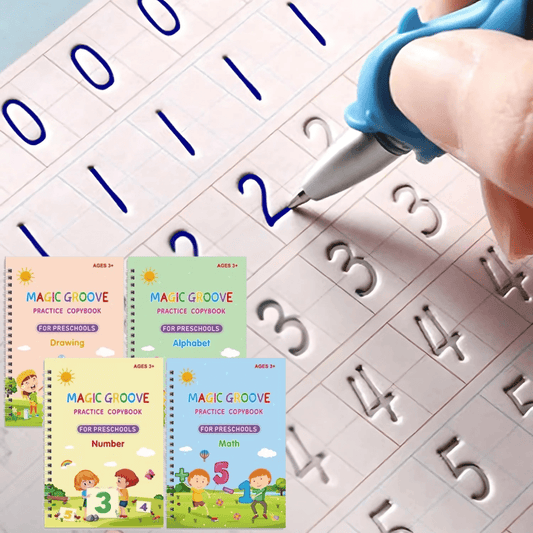
Select a DIY activity that challenges you just enough to engage your brain without causing frustration. Beginner-friendly projects, like a SmartLearn Kids Tracing Book for adults and teens or simple mechanical kits, are perfect for easing into hands-on relaxation.
2. Set up a calm, distraction-free workspace
A dedicated workspace helps maximize focus and reduce interruptions. Gather all materials beforehand and create a comfortable area with good lighting. This environment primes your mind for concentration and relaxation.
3. Focus on the process, not just the result
Part of the stress-relieving effect comes from immersion. Pay attention to each step: assembling parts, aligning pieces, or painting details. Enjoy the tactile sensations and the rhythm of your work, rather than worrying about perfection.
4. Take small, mindful breaks
Breaks prevent fatigue and allow your mind to absorb the creative experience. Step back, stretch, or enjoy a moment of reflection before returning to your project. These pauses enhance mindfulness and deepen relaxation.
5. Celebrate completion and progress
Even small accomplishments release dopamine, reinforcing positive feelings. Admire your finished work or note improvements you made along the way. Recognition of progress enhances motivation and reinforces the calming effect of DIY.
6. Make DIY a routine
Consistency helps integrate DIY as a stress-relief habit. Set aside dedicated time daily or weekly to engage in creative projects. Over time, your mind will associate DIY with relaxation, focus, and personal satisfaction.
FAQ SECTION
1. Can DIY really reduce stress?
Yes. Hands-on activities divert attention from stressors, encourage mindfulness, and provide a sense of accomplishment.
2. How long should I spend on a DIY project to relax?
Even 20–30 minutes of focused building can produce noticeable calming effects.
3. Do I need prior experience to benefit?
No. Beginner-friendly projects are effective for stress relief, and skill will improve over time.
4. Are certain types of DIY better for mindfulness?
Projects that require focus and sequential steps, like mechanical kits or tracing books, are especially effective.
5. Can DIY be used for both kids and adults?
Absolutely. Projects can be scaled to age and skill level, making DIY a family-friendly stress-relief activity.
CONCLUSION
DIY projects are more than hobbies they are effective tools for managing stress and enhancing mindfulness. By engaging the hands and the mind, you shift focus away from daily pressures while fostering creativity, patience, and problem-solving.
Whether building mechanical kits, assembling book nooks, or experimenting with tracing books, the process of creating something tangible is calming, rewarding, and mentally stimulating.
Start incorporating hands-on DIY projects from DIYative into your routine today and experience the mental clarity, focus, and satisfaction that comes from building with your own hands.