INTRODUCTION
Have you ever felt drawn back to a project even after stepping away for a while? That sense of satisfaction when pieces click together is more than enjoyment. It is your brain responding to progress, challenge, and creativity all at once.
Even five minutes of building something with your hands can feel unexpectedly addictive. Your mind becomes engaged in a way that scrolling or passive entertainment cannot match. You pay attention, make decisions, solve problems, and see tangible results immediately.
DIY activities are not just fun. They train your brain to focus, reward progress, and keep you mentally stimulated. In this blog, you will learn why hands-on building feels so compelling and how it rewires your brain in just a few minutes.
WHAT IS THE TOPIC?
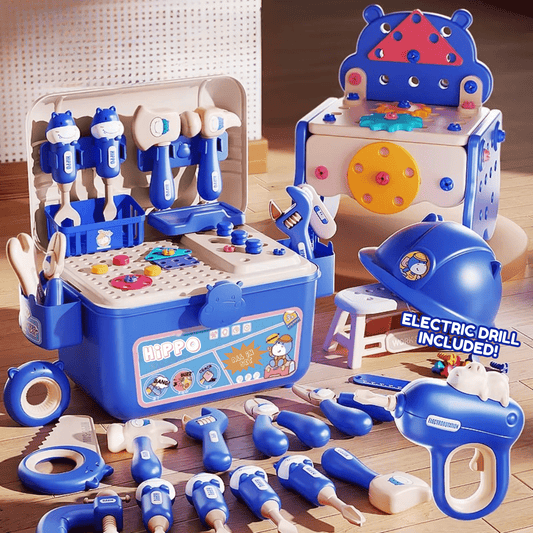
This blog explores the psychological and neurological reasons why building by hand is addictive. When assembling DIY kits, your brain releases small doses of dopamine every time a step is completed or a piece fits perfectly.
This creates a loop of satisfaction and focus. Even short sessions with DIYative kits can improve attention span, mental clarity, and creativity.
The physical engagement combined with visible progress produces a reward system that makes you want to continue building.
WHY IT MATTERS
Modern life trains our brains to crave constant stimulation from screens and notifications. This often leads to mental fatigue and boredom. Hands-on DIY reverses this effect by requiring active participation, problem-solving, and tactile engagement.
Even brief moments of building:
- Redirect attention from distractions
- Promote mindfulness and focus
- Activate the brain's reward system
- Encourage small, satisfying achievements
Over time, consistent hands-on engagement strengthens focus, patience, and creativity, creating a healthy, addictive feedback loop.
STEP BY STEP GUIDE
1. Start with a short session
Even five minutes is enough to trigger your brain's reward system. Pick a simple, engaging project that allows for immediate progress.
2. Focus on one action at a time
Instead of thinking about the whole project, concentrate on a single piece or step. Each small success reinforces attention and satisfaction.
3. Observe the effect on your mind
Notice how quickly your focus stabilizes and distractions fade. The tactile engagement and visual progress pull your attention away from digital overload.
4. Repeat consistently
Short, frequent sessions train your brain to seek out this productive, satisfying state. Over time, you feel naturally drawn to creating, improving your skills, and staying mentally sharp.
CONCLUSION
Hands-on building is addictive because it engages your brain in ways screens cannot. Small, satisfying wins trigger focus, creativity, and a sense of accomplishment.
Even five minutes can reset your mind, boost attention, and provide a mini mental escape.
Start a simple DIYative project today and experience how your brain craves creation over consumption.